Building Tuckpointing in Cleveland, OH
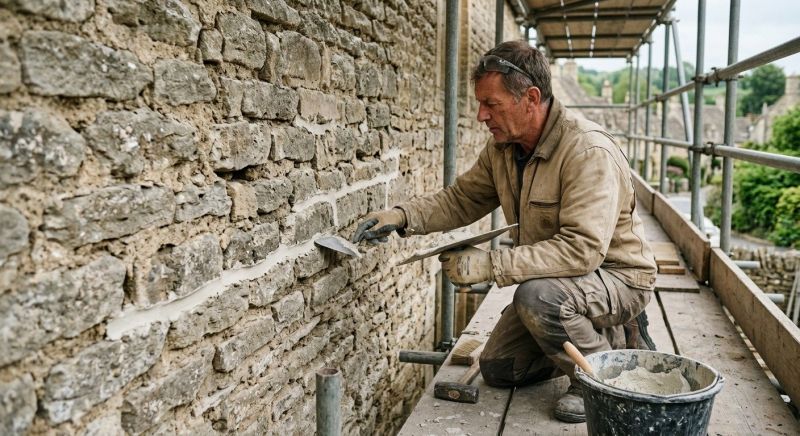
Building tuckpointing services involve the careful removal and replacement of damaged or deteriorated mortar between bricks or stones in a structure’s exterior. This process helps restore the integrity of walls, prevent water infiltration, and improve overall curb appeal. Projects typically include repairing brick facades, chimneys, retaining walls, and other masonry features that have experienced cracking, crumbling, or weather-related wear over time. Homeowners considering tuckpointing often want to understand the scope of work needed, the types of mortar suitable for their property, and how the repair can extend the lifespan of their masonry surfaces.
Property owners usually seek tuckpointing services to address issues such as visible cracks, loose mortar, or signs of moisture penetration. Before requesting a service, it’s helpful to assess the condition of the existing mortar and determine whether the damage is localized or widespread. Understanding the history of the structure’s exposure to weather, as well as any previous repairs, can also influence the approach. Clear communication about the project’s goals and a thorough inspection can ensure the appropriate materials and techniques are used to maintain the stability and appearance of the masonry.
Many property owners in Cleveland, OH look into Building Tuckpointing for repairs, replacements, upgrades, and appearance-related improvements.
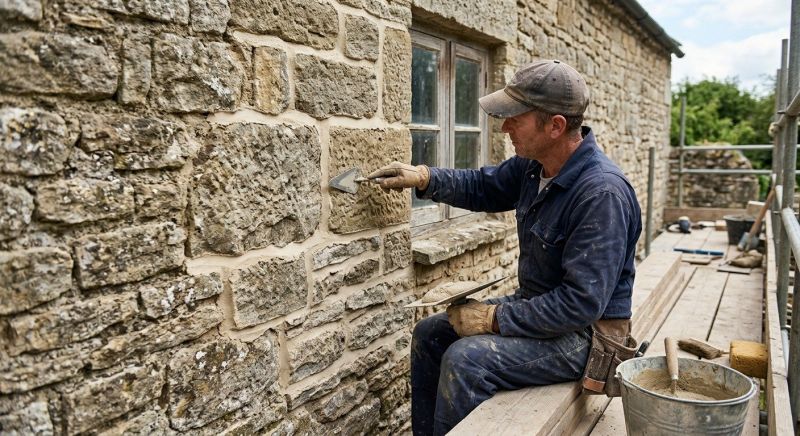
Restoring Masonry Integrity
Tuckpointing helps maintain the strength and appearance of brick and masonry walls in cleveland homes.
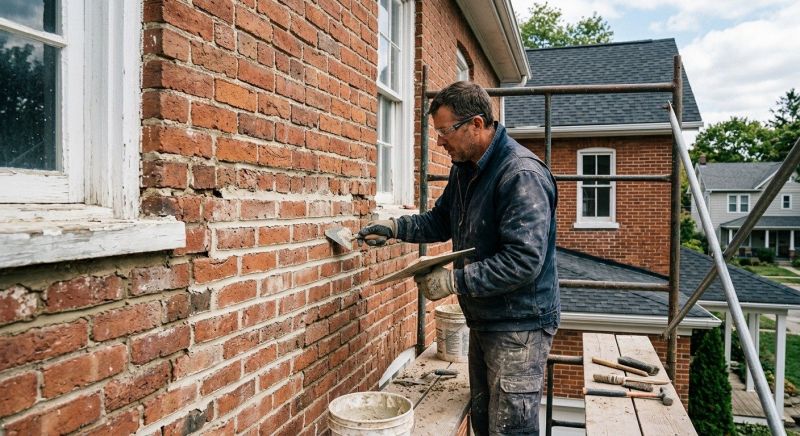
Preventing Structural Damage
Proper tuckpointing can prevent water infiltration and reduce the risk of foundation issues in residential properties.
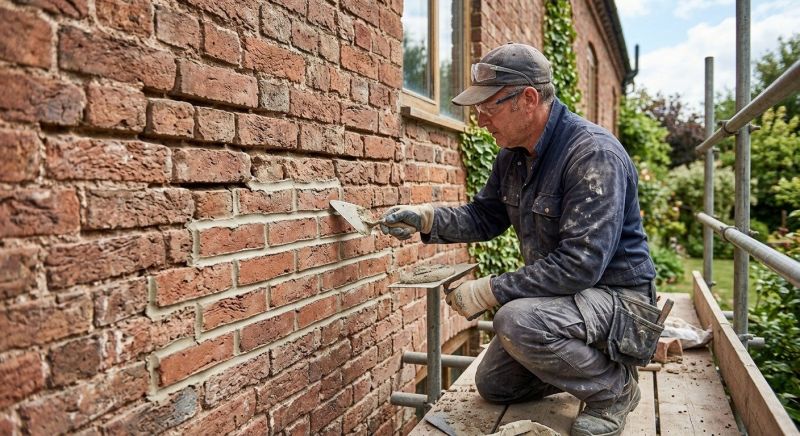
Enhancing Curb Appeal
Updating the mortar joints with tuckpointing can improve the overall look of historic and modern buildings alike.
Building Tuckpointing in Cleveland, OH

Building tuckpointing services involve the careful removal and replacement of damaged or deteriorated mortar between bricks or stones in a structure’s exterior. This process helps restore the integrity of walls, prevent water infiltration, and improve overall curb appeal. Projects typically include repairing brick facades, chimneys, retaining walls, and other masonry features that have experienced cracking, crumbling, or weather-related wear over time. Homeowners considering tuckpointing often want to understand the scope of work needed, the types of mortar suitable for their property, and how the repair can extend the lifespan of their masonry surfaces.
Property owners usually seek tuckpointing services to address issues such as visible cracks, loose mortar, or signs of moisture penetration. Before requesting a service, it’s helpful to assess the condition of the existing mortar and determine whether the damage is localized or widespread. Understanding the history of the structure’s exposure to weather, as well as any previous repairs, can also influence the approach. Clear communication about the project’s goals and a thorough inspection can ensure the appropriate materials and techniques are used to maintain the stability and appearance of the masonry.
Many property owners in Cleveland, OH look into Building Tuckpointing for repairs, replacements, upgrades, and appearance-related improvements.
Common Building Tuckpointing Jobs
Brick and mortar restoration - Tuckpointing helps repair and restore the appearance of brickwork.
Crack and mortar joint repair - Filling and sealing damaged mortar prevents further deterioration.
Historic building preservation - Tuckpointing maintains the integrity and aesthetic of older structures.
Chimney and fireplace maintenance - Proper tuckpointing ensures safety and stability for masonry chimneys.
Exterior wall maintenance - Regular tuckpointing protects against water intrusion and weather damage.
Masonry reinforcement - Tuckpointing strengthens brickwork to extend the lifespan of the building.
Building Tuckpointing Questions
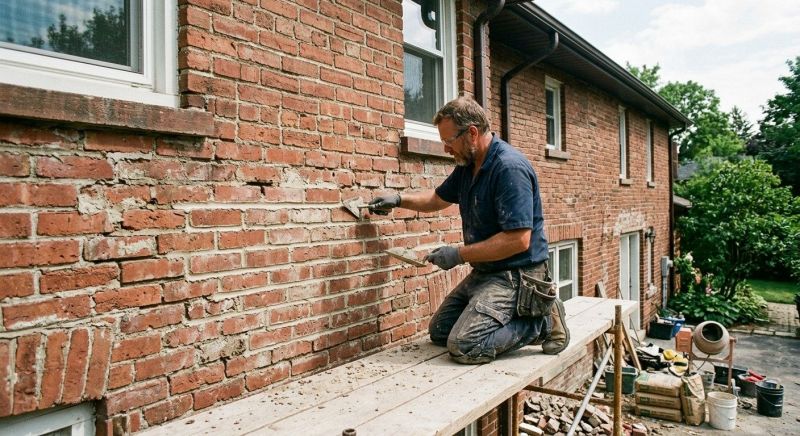
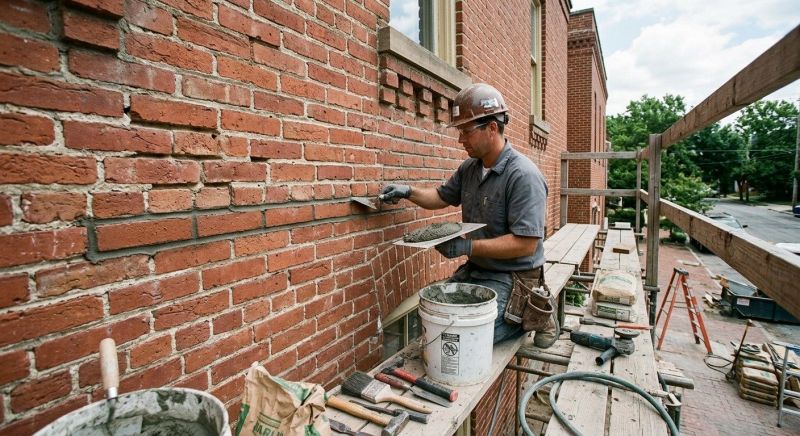
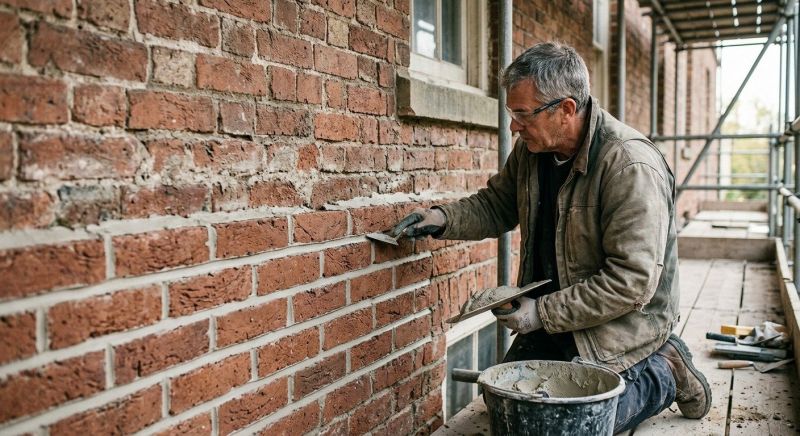
What is tuckpointing? Tuckpointing involves repairing and restoring the mortar joints between bricks or stones to improve appearance and structural integrity.
When should tuckpointing be considered? Tuckpointing is recommended when mortar shows signs of cracking, crumbling, or deterioration, especially on older or weathered masonry.
What types of projects typically require tuckpointing? Common projects include restoring brick facades, chimney repairs, and repairing brick walls or foundations with damaged mortar.
How does tuckpointing benefit a property? Tuckpointing helps maintain the stability of masonry structures and enhances the curb appeal of a building’s exterior.
Request Building Tuckpointing in Cleveland, OH
Use the quote form on this page to share the basics of your project and request more information for the type of work you need.